

Giving Country a voice in environmental decision-making
Why protecting Country means rethinking how Australia recognises culturally significant entities
June 24, 2026
Through a case study on Gurawul, the humpback whale, UOW's Anthony McKnight has contributed to a national Indigenous-led project exploring how environmental decision-making can better recognise Indigenous knowledge, reciprocity and responsibilities to Country.
As humpback whales make their annual migration along the NSW South Coast, the familiar sight of breaches off coastal headlands has returned to Illawarra waters, a seasonal reminder of one of Australia’s most iconic marine journeys.
But for Indigenous and the Yuin people, Gurawul – the humpback whale – is much more than a marine mammal passing by.
, an Awabakal, Gomeroi man who holds Yuin cultural responsibilities and a University of °µÍø½ûÇø (UOW) researcher in the Indigenous Strategy Unit, explains that Gurawul is part of a reciprocal relationship between people and Country.
“People want the joy of whales, but not the responsibility," he says.
“Our Gurawul has a role and obligation. They look after the medicines and the food in the ocean, and our role is to look after the land to protect their songlines, because Country and Sea are both highly interconnected.
“So, we’ve got a responsibility for them, and they’ve got a responsibility to us.”
Anthony and contributed to a national research project, , which examines how Australia recognises animals, plants and ecosystems that hold deep cultural importance for Aboriginal and Torres Strait Islander peoples in environmental policy and planning.
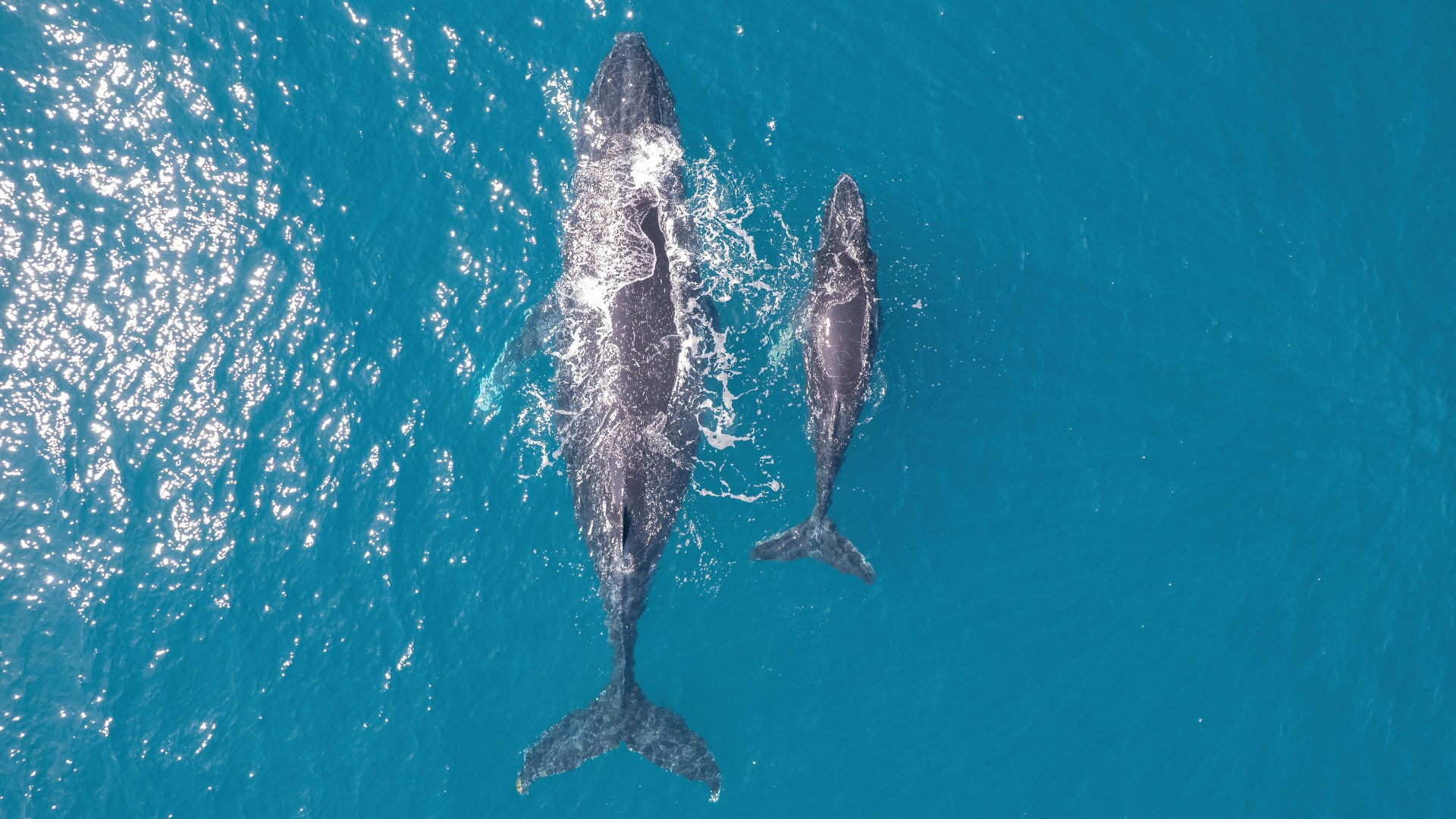
Over 12 months, Indigenous researchers and Traditional Custodians came together to develop and present Australia's first national framework for defining, recognising and managing culturally sensitive entities in environmental decision-making and management.
The project argues that while Australia has established frameworks for protecting threatened species, there is no consistent national approach to recognising culturally significant species and places that may not be endangered but remain deeply important to Country and community.
Other culturally significant entities include , and .
Anthony argues current systems focus on human interests while overlooking the needs of Country itself.
“We’re not the most important beings. We’re part of the whole,” he says. “We can’t just wait until something is getting dangerously threatened, we've got to always look after it.”
One of the project's key recommendations is the establishment of a Country Commissioner – a governance role designed to advocate for culturally significant entities and ensure they have a voice in environmental policy and decision-making.
“The focus of this project is placing Country at the centre. It's about looking after these entities, maintaining those cultural obligations and changing policy and processes so significant entities aren't destroyed,” he explains.
“The Country Commissioner will be there to care for Gurawal and all those other entities. It’s not the answer, but it’s a step towards the answer. At least then there will be a voice there for Country because basically all the voices in our system now are people, and for people.”
Bringing Indigenous knowledge systems and Western science together, the project seeks to shift away from consultation models that primarily recognise ecological or economic value and move towards approaches that genuinely recognise cultural significance, responsibility and Indigenous authority.
The need for that shift can be seen in recent cases where consultation occurred, but the outcomes still raised questions about how cultural authority was recognised in decision-making.
Earlier this year, , while a despite its significance being known.
While the circumstances differ, both cases raise broader questions about how cultural significance is recognised and protected and why researchers are calling for stronger mechanisms to give Country a voice.
The work is already continuing beyond the initial project. Researchers are now partnering with Wudjari elders from the Esperance (Kepa Kurl) Tjaltjraak Native Title Aboriginal Corporation to develop methods for identifying and protecting culturally significant entities at risk from H5 bird flu.
The next phase will also review national and international biocultural monitoring approaches, with the aim of creating a framework that embeds cultural values into environmental monitoring and reporting and turning the project's recommendations into practical tools.
"Ultimately what we're trying to ask is, within our modern context, what can we all do within the structures that we're embedded in to maintain our responsibility to those relationships and to protect these entities."
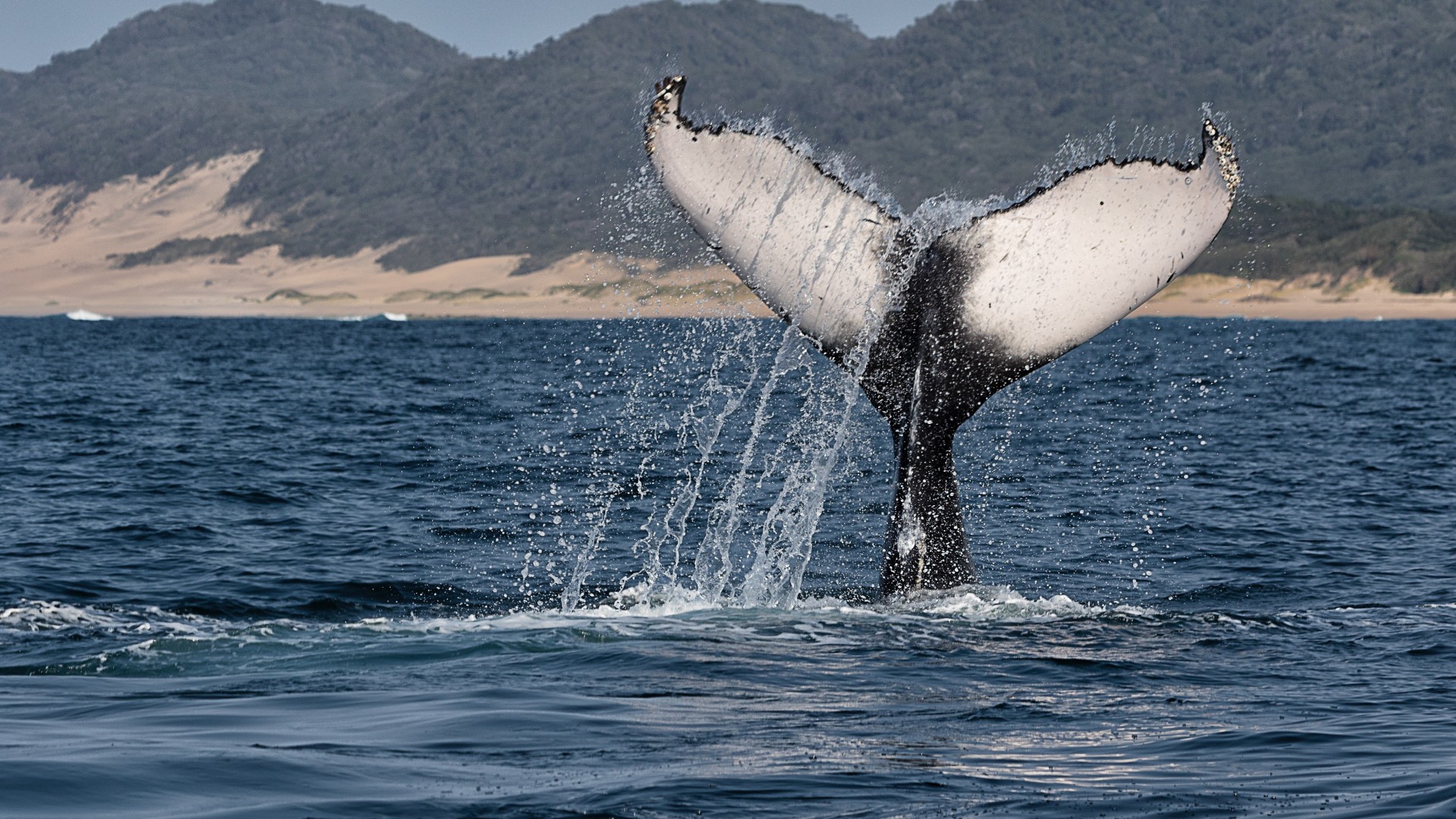
While humpback whale populations have recovered strongly following the end of commercial whaling and are no longer listed as threatened in Australia, Anthony says their recovery does not mean our relationship with them has ended. Rather, it highlights that a species can be abundant but still culturally vulnerable if its significance is overlooked in governance and decision-making.
"All people have an obligation to care for Country and the entities that live on it. If you want to watch and enjoy the whales, then give reciprocation. We need to think about what we can do to nourish the whale, because the whale's always nourishing us,” he says.
"Even when they were under threat, they still maintained their responsibility; they still followed the same migration lines, just swam a little further out. Now that populations are back, they’ve come back onto those old songlines. But people aren’t following that reciprocation, just look how badly degraded our rivers are which feed into the ocean. That's not helping Gurawul look after the medicines and foods and their own health.”
As Gurawul season continues along the South Coast, Anthony hopes the research encourages people to think differently about their relationship with Country - not just what they receive from it, but what they give back.
"Every living thing has a story. And we're responsible for that."