

December 15, 2021
UN urged to act to reduce ocean plastic pollution
US$21.3B - estimated annual costs to global marine economy
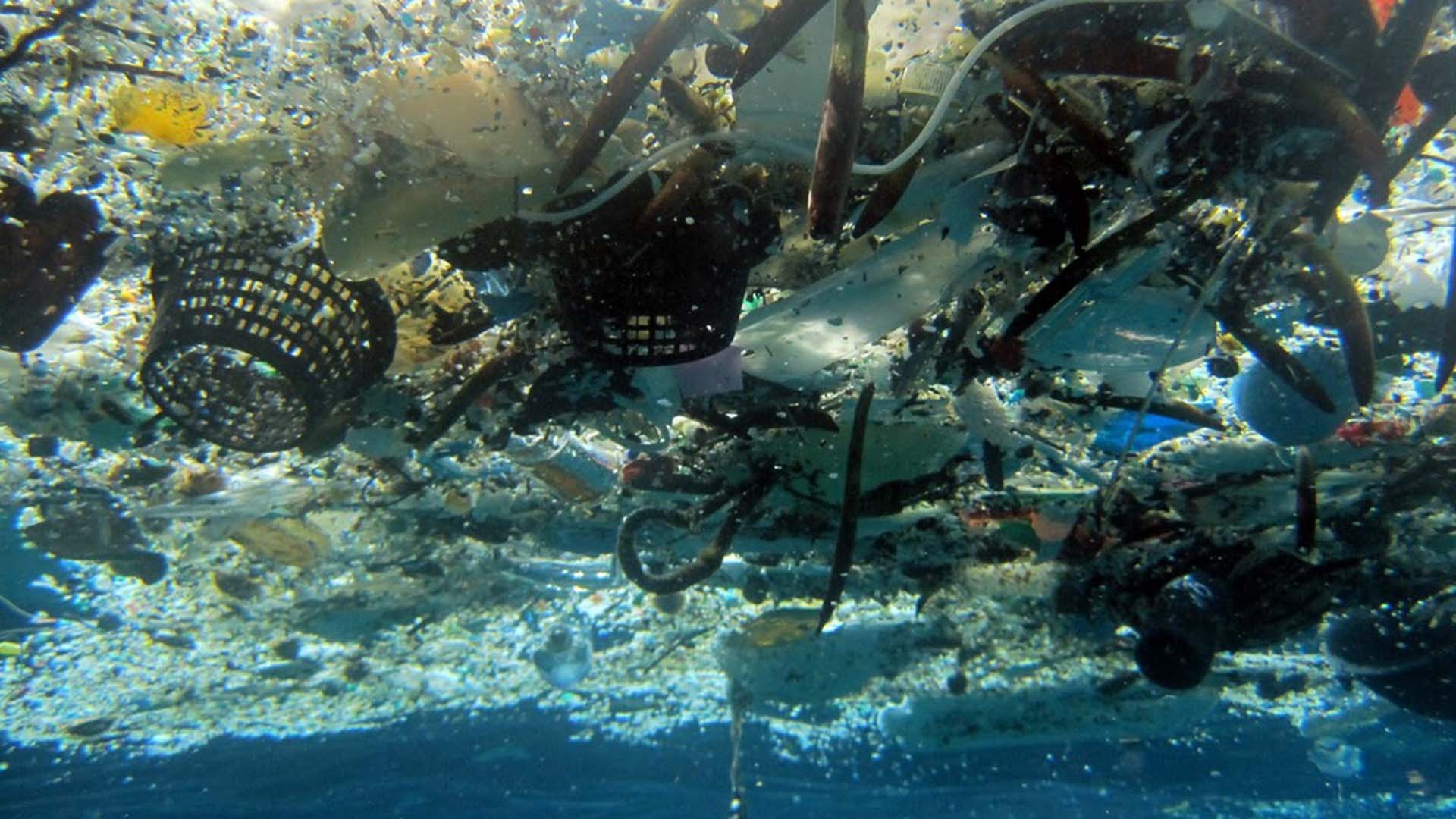
Plans to reduce plastic pollution have received a boost from a new showing escalating costs to the global economy.
The United Nations Environmental Assembly is due to meet in February to start discussions for a binding agreement to reduce plastic pollution.
The meeting comes after a report in the latest issue of Marine Pollution Bulletin, which estimates that the cost to the global marine economy in 2021 of marine litter, which includes plastic, is US$21.3bn annually.
These estimates only consider direct damage to maritime industries and do not include damage to the environment.
The report predicts a cost of US$434bn to 2050, if no changes are made.
That cost balloons to US$731bn if projections of a tripling of plastic production become reality.
These impacts are felt in the fishing and aquaculture industries (13.6%), the shipping, boat and marine transport sectors (27.2%) and marine tourism industry in particular (59.2%).
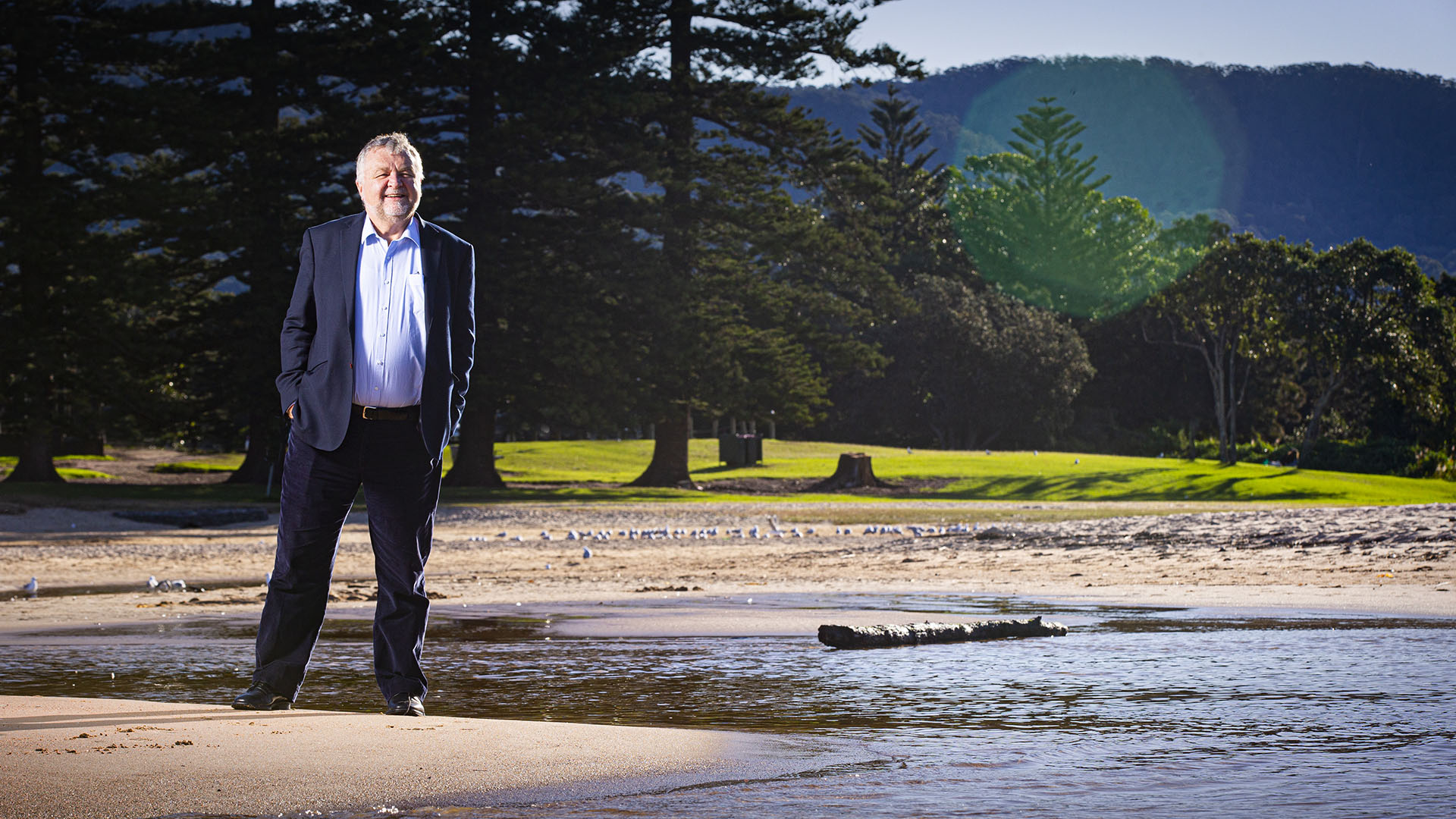
Professor Alistair McIlgorm, marine economist at the Australian National Centre for Ocean Resources and Security at the University of °µÍø½ûÇø and lead author of the report
One of the report’s authors, marine economist Professor from the Australian National Centre for Ocean Resources and Security at the University of °µÍø½ûÇø, said urgent action was necessary.
“All over the world, the quality of marine tourism experiences are being compromised by marine plastic pollution from litter on coasts and beaches,� he said.
“Plastic in the ocean also causes damage to marine environments, not just users. What we have estimated is the tip of the damage iceberg.�
“These costs are largely unknown, and likely to meet and exceed these estimates.�
The research was conducted by the Australian National Centre for Ocean Resources and Security (ANCORS) at the University of °µÍø½ûÇø (UOW) for APEC’s Oceans and Fisheries Working Group (OFWG), funded by the US Department of State.